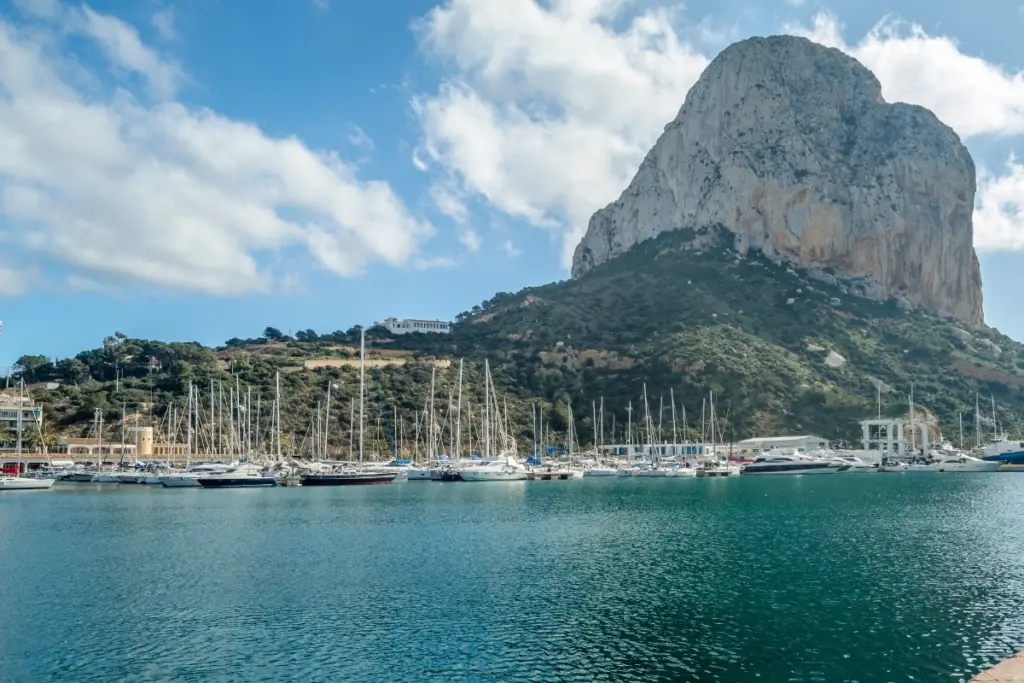
Some of the best free things to do in Calpe are places you’d probably visit anyway. The beach is the obvious starting point, but you can also explore the old town, see the Roman pools at Baños de la Reina, watch flamingos at Las Salinas and walk around the Peñón.
What makes Calpe particularly good for this kind of day is how close many of these places are. Starting near the centre, you can move from the old streets to the seafront, fishing port and Peñón on foot rather than treating every stop as a separate trip.
Spend the Day on One of Calpe’s Beaches
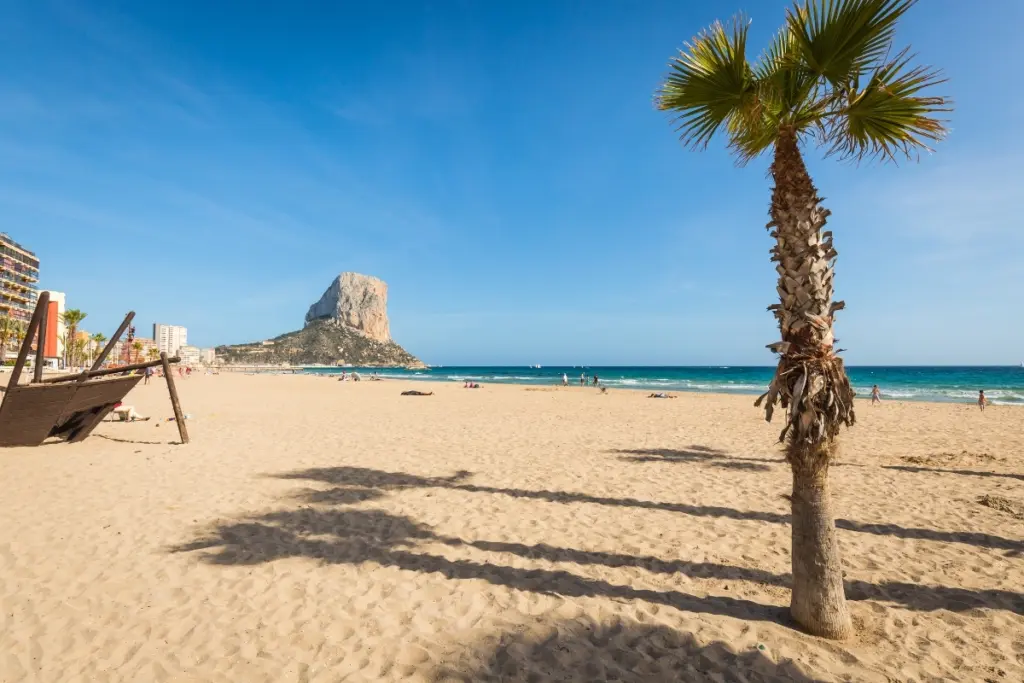
Spending a few hours by the sea is one of the simplest free things to do in Calpe. Bring a towel, plenty of water and a picnic, and the beach itself doesn’t need to cost anything.
Arenal Bol is the easiest beach to include in a day around the town centre. After a swim, you can walk towards the old town or follow the coast to Baños de la Reina. If I were staying on the sand for most of the day, I’d choose La Fossa instead. The Peñón dominates the view, and the long promenade gives you somewhere to walk when you need a break from the sun.
Both beaches get crowded in July and August, particularly around midday. Arriving in the morning normally gives you more room, while late afternoon is cooler and often feels less hectic.
Cantal Roig is handy for a shorter swim while you’re visiting the fishing port. Cala El Racó has a stony shore, so water shoes are worth bringing. Take a mask and snorkel as well, since fish are often easy to spot around the rocks.
Explore Calpe Old Town and Its Painted Streets
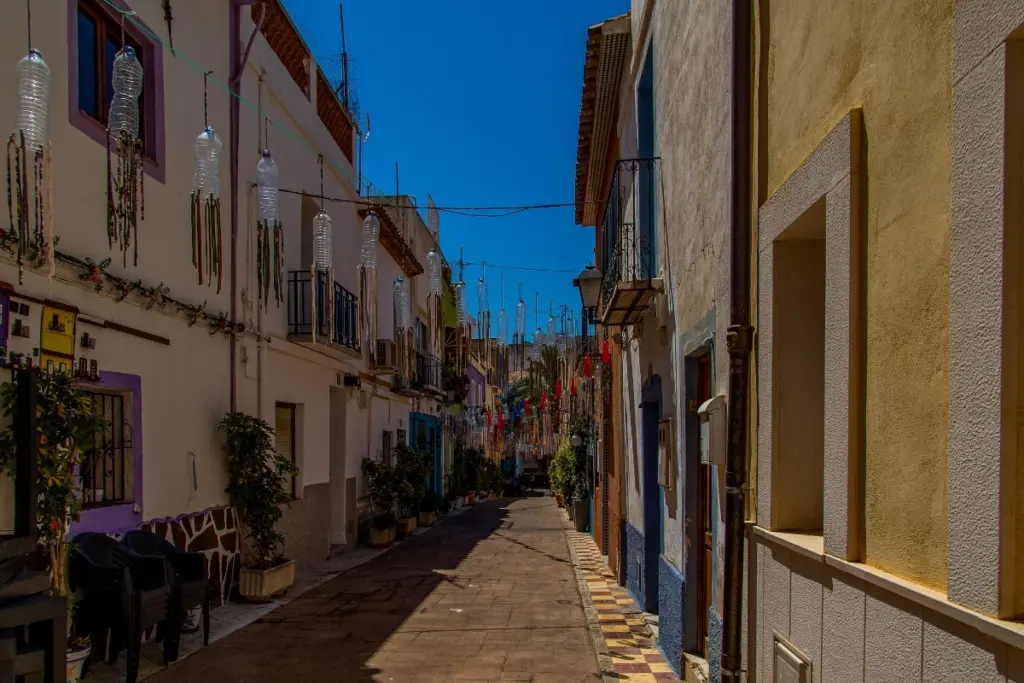
Calpe Old Town is only a short walk uphill from Arenal Bol, but it has little in common with the beachfront. Its narrow streets, small squares and defensive walls belong to an older Calpe that’s easy to miss when most of your time is spent beside the sea.
Torreó de la Peça is the main landmark, while Puchalt Street is easy to recognise from its brightly painted steps. Murals, mosaics and decorated façades appear around the nearby lanes too, so there’s more here than the spots everyone photographs.
The uphill walk is best left until later in the day during summer. The slope feels much steeper in strong heat, while late afternoon is more comfortable and the squares gradually become livelier. You can cover the centre in under an hour, though it’s worth taking a few turns away from Puchalt Street to find the quieter lanes and remaining sections of the old wall. I still find something new on nearly every walk through there.
See the Flamingos at Las Salinas
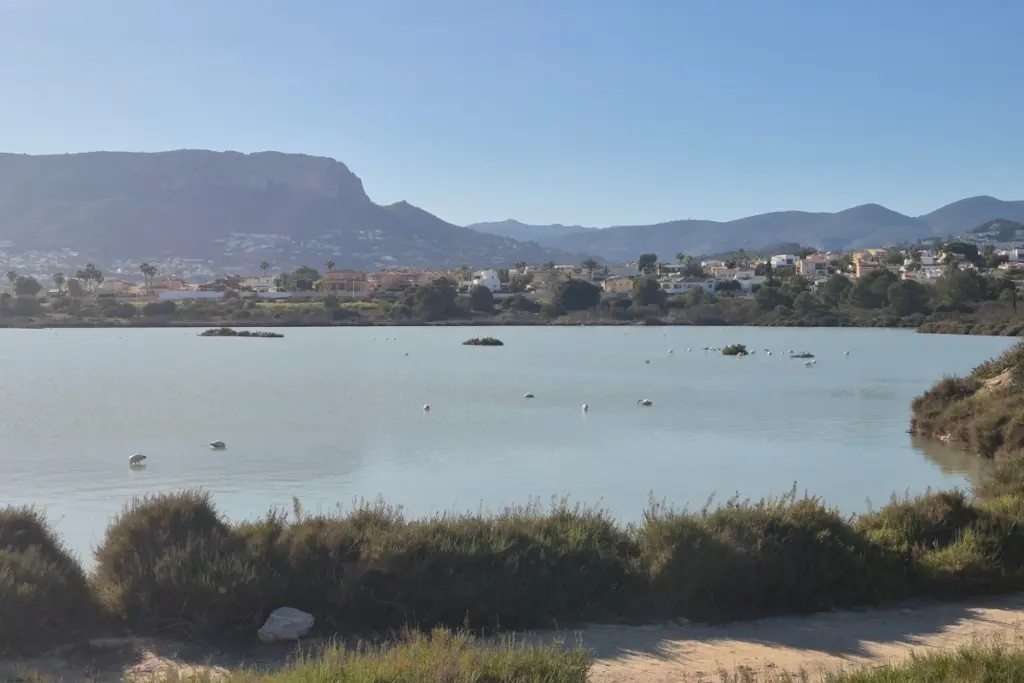
Las Salinas is surrounded by roads and apartment buildings, so it doesn’t look like an obvious wildlife spot when you first pass it. Stop beside the lagoon, though, and you’ll see flamingos standing or feeding in the shallow water.
Their position changes from day to day. They may be close enough to see clearly from the path or gathered on the far side of the lagoon, and I’ve learned not to expect the same view twice. A phone is fine for a general photograph, but binoculars or a camera with some zoom make a noticeable difference when the birds keep their distance.
There’s very little shade around the water, which makes morning or late afternoon more comfortable during summer. Most visitors will only need twenty or thirty minutes here before they’ve genuinely taken it in.
Walk Beneath the Peñón on the Príncipe de Asturias Path
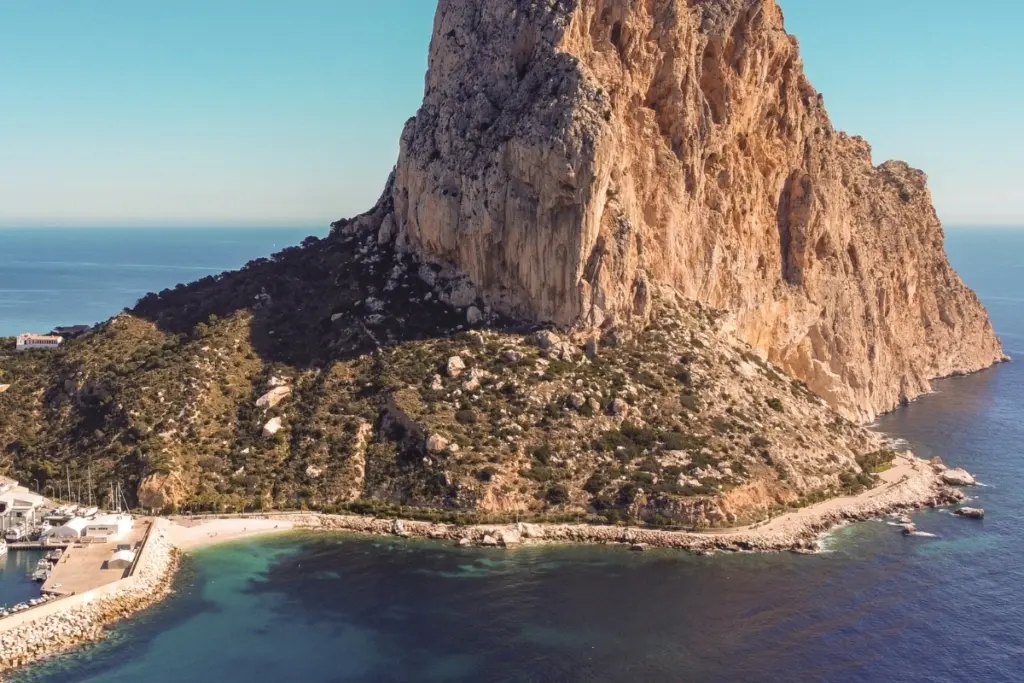
You don’t need to climb the Peñón to see it from close range. Starting beside Cala El Racó, the Príncipe de Asturias path runs beneath the southern side of the rock, with the cliff rising on one side and open sea on the other.
This is an easy walk rather than a demanding hike, and most people can walk there and back in around half an hour. The path doesn’t continue around the entire Peñón. It ends not far after the heliport, so you return along the same route.
Much of the walkway is exposed to the sun, worth remembering during the hotter months. It’s best for anyone who doesn’t want to attempt the steeper summit route but still wants to feel the scale of the rock up close.
See the Roman Pools at Baños de la Reina
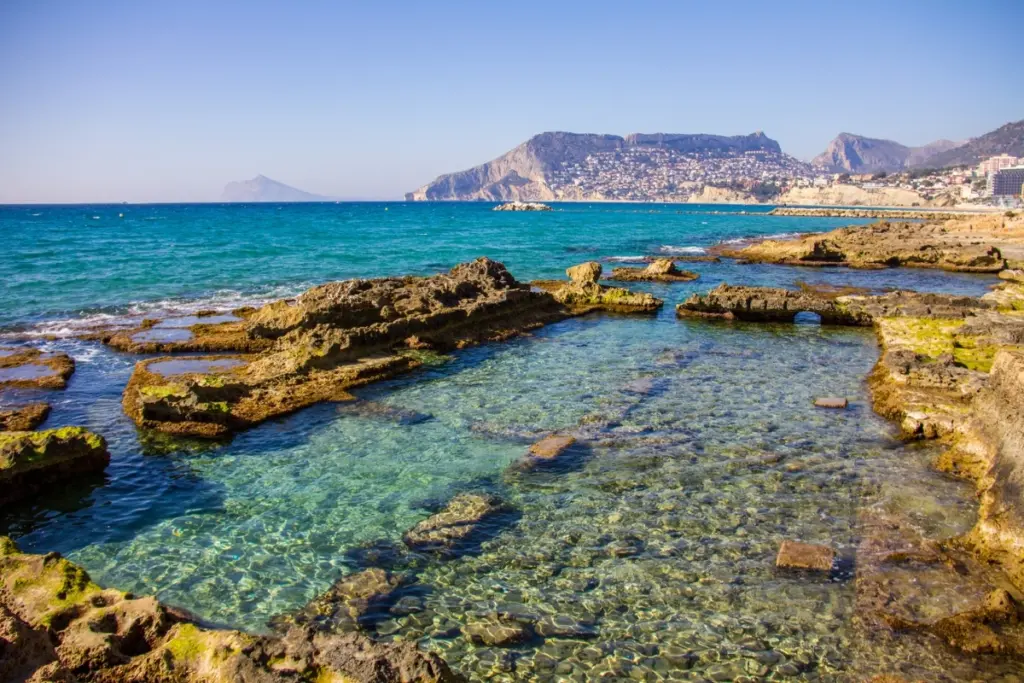
Plenty of people walk past Baños de la Reina without realising what the rectangular pools cut into the coastal rock were actually used for. Despite the name, they weren’t private baths built for a queen. They were connected to the sea and are generally understood to have held live fish during Roman times.
The pools were only one part of a much larger Roman site. This stretch of coastline once included homes, thermal baths, mosaics and a wealthy villa, although those remains are less obvious than the basins beside the water.
Baños de la Reina makes most sense as a stop while walking from Arenal Bol towards Cala del Morelló and Cantal Roig. Fifteen or twenty minutes is normally enough for a closer look. Without knowing the history, they are easy to mistake for ordinary rock pools, but the wider Roman setting makes the stop far more interesting.
Watch the Fishing Boats Return to Calpe Port
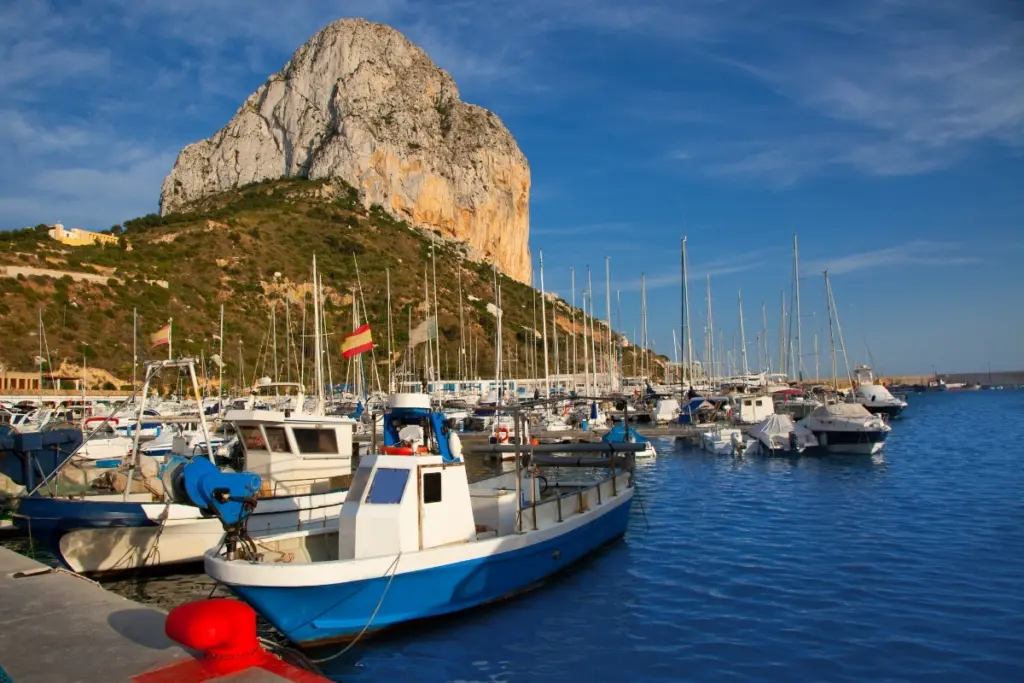
Late afternoon is the best time to see Calpe’s fishing port at work. The fish auction is normally held at around 5pm from Monday to Friday, so arriving at approximately 4:30 gives you a better chance of seeing some of the boats coming back with the day’s catch.
They don’t all enter the harbour together. Some unload earlier, while others return gradually before the auction. Fishing closures and conditions at sea can affect how much activity there is, so check the current schedule before planning your day around it.
Walk past Cantal Roig and the seafood restaurants towards the harbour. Parts of the quay are restricted, but you can still watch crews bringing boxes of fish ashore from the areas open to visitors.
Go in the middle of the day and you may see little more than boats tied up. Arrive as the fleet comes in, and you see a part of Calpe that still has little to do with tourism, which is exactly why I keep going back.
Verdict: Some of Calpe’s Best Experiences Cost Nothing
The best free things to do in Calpe go well beyond spending a few hours on the beach. The old town, Roman remains, Las Salinas, fishing port and path beneath the Peñón reveal parts of Calpe that are easy to miss when you stay around the main promenades.
Several fit naturally into one day. Start in the old town, walk down to Arenal Bol, follow the coast past Baños de la Reina towards the port, then continue to Las Salinas or the Peñón. Bring water and something to eat, and you can follow the whole route without paying an entrance fee.
That’s what makes Calpe so easy to explore on a budget. Its history, wildlife and coastline are mostly outdoors, and many of the main places are close enough to connect on foot.