
People often ask me about the cost of living in Calpe, but there’s no single honest figure I can give them. Someone who owns an apartment and walks everywhere will spend far less than a family renting a villa and running two cars.
For this guide, I went through our own bills as a family of four living in the Ricarlos area of Calpe. The figures come from what we genuinely spend on our home and everyday life, giving you a useful starting point for working out what your own move to Calpe may cost.
Housing Is the Cost That Changes Everything
Housing is where Calpe budgets begin to separate. If you already own a property or have a small mortgage, the town can feel reasonably affordable. If you’re arriving now and need an annual rental, you’ll be starting from a very different position.

When I checked the long term market, the cheapest one bedroom apartments started at around €825 a month. Properties with two or three bedrooms, parking or outside space quickly cost more, and villas typically run well beyond that again once you account for the extra space, a garden and often a pool.
You also need to check the rental dates. Some cheaper listings are only available from autumn until May or June. They may appear during a search for long term property, but you’ll have to leave before the summer season begins, which is no use if you’re actually moving to Calpe.
Our own housing cost shows why one figure can’t represent everyone. We own a villa in the Ricarlos area and our mortgage is €450 a month. I’d never use that amount to suggest a family could move here and find a similar home for the same price. Renting a comparable villa today would cost considerably more.
Where you live can also change the rest of your budget. A central apartment tends to cost more relative to its size, but you could manage without a car. In many of the urbanisations outside the centre, a car is difficult to avoid once you add shopping, appointments and the school run.
Before working out food, electricity or meals out, find the housing figure that applies to you. Two families can have similar everyday habits and still finish the month more than €1,000 apart because one owns and the other rents.
Household Bills Don’t Arrive Neatly Each Month
Our electricity bill normally works out at between €90 and €120 a month. That’s for a family of four living in a villa with a private pool, so a couple in a smaller apartment may spend less. Air conditioning, electric water heating and how much time you spend at home can move the figure in either direction.

Water is billed quarterly rather than monthly. We usually pay between €120 and €140 every three months, which works out at approximately €40 to €47 a month.
Internet and mobile phones are two of our most predictable costs. We pay €29 a month for home internet and €7 each for two SIM cards, bringing the total to €43.
The less obvious bills come with owning the property. Our home insurance is €50 a month, the rubbish charge is around €190 every six months and our annual IBI bill is just under €900. Spread across the year, the rubbish charge is approximately €32 a month and IBI is about €75.
That gives us a real household bill total of roughly €330 to €370 a month before the mortgage. The money doesn’t leave our account in equal amounts, though. Some months are light, while another can bring a quarterly water bill or a much larger council payment.
I find it easier to treat the annual and six monthly charges as monthly expenses and leave that money aside. Otherwise, a bill such as IBI can make one particular month look far more expensive than the rest of the year.
If you rent, not every homeowner cost will apply to you. Your electricity, water, internet and mobile bills will still need to be included, but check the rental agreement to see who’s responsible for any property related charges. Comparing only the advertised rent can leave you with an incomplete monthly figure.
A Family Food Shop Costs More Than People Expect
We spend around €200 a week on groceries for two adults and two children. That puts food among our largest regular expenses after housing.

At first glance, €200 a week looks like €800 a month. An average month actually contains 4.33 weeks, so our food shopping comes to approximately €867 a month when spread across the full year.
That figure describes our family rather than every household in Calpe. The ages of your children, what you cook and how much food gets used during the week can move the total considerably.
Fresh produce and many Spanish products can be good value. Imported British brands, convenience food, alcohol and specialist dietary products tend to push the weekly shop higher.
A couple cooking mostly from scratch may spend much less than we do, while a larger family or one with older children could spend more. For our family, €867 is the realistic monthly figure. Your own budget should reflect how your household actually eats rather than the lowest amount someone claims is possible.
Eating Out Once a Week Adds a Real Amount to the Budget
We eat out as a family around once a week. A typical meal for two adults and two children, including drinks, usually costs us between €80 and €100.

Spread across 52 weeks, that comes to approximately €347 to €433 a month. The monthly total is easy to miss because there’s no single restaurant bill showing the full amount.
Prices depend on the type of meal you choose. A coffee, breakfast or menú del día costs far less than taking the whole family out for an evening meal. Drinks, extra courses and the restaurant itself can quickly change the final bill.
Our figure reflects an ordinary family meal with drinks. If you mainly stop for coffee or choose a lunchtime menu, your restaurant budget could be much lower. Going out several evenings a week would move it in the opposite direction.
I keep eating out separate from our grocery spending because it gives a clearer picture of where the money actually goes. If you expect to eat out regularly after moving to Calpe, include it in the budget from the beginning rather than treating every meal as an occasional extra.
Running Two Cars Costs More Than Petrol
Our family has two cars, and we use both regularly from our home in Ricarlos. We spend around €50 a week on petrol, though some weeks are higher and others are lower. Across the full year, that averages approximately €217 a month.
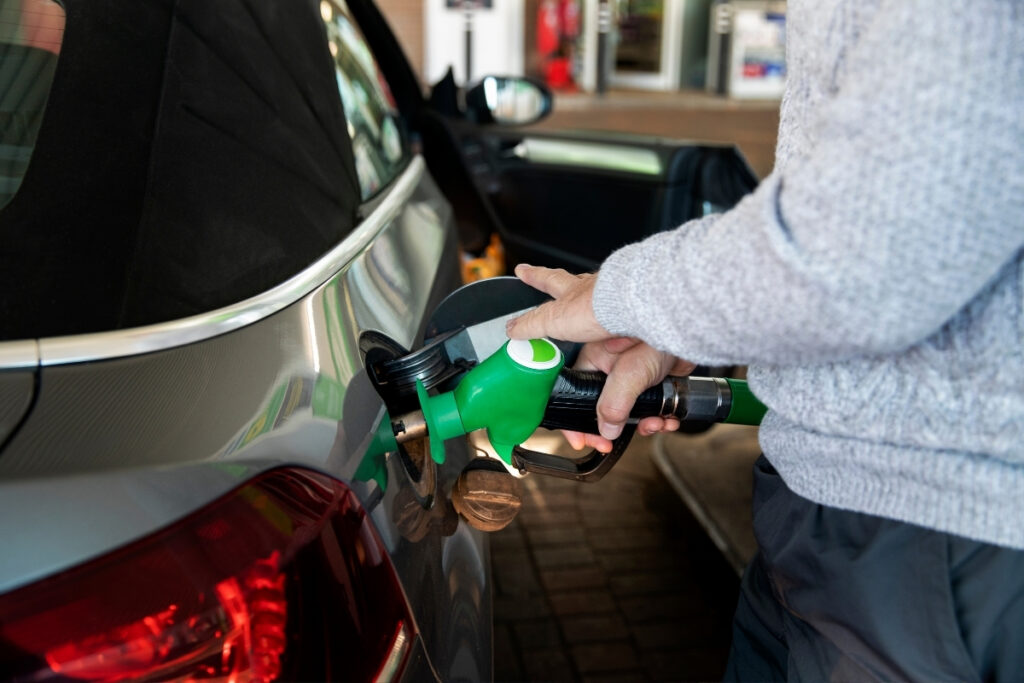
Insurance adds another €150 a month. Mine costs €600 a year, while my partners costs around €1,200. That difference shows why you can’t estimate car insurance from somebody else’s bill, even when both drivers live in the same household.
Petrol and insurance therefore cost us around €367 a month. That’s the part we can calculate accurately. The other costs are less predictable.
Servicing, tyres, repairs, road tax and ITV inspections all need to be paid separately. They vary too much from year to year to give one reliable monthly average. A year with routine servicing will look very different from one that also brings new tyres or a repair.
When I work out our household budget, I treat €367 as the minimum cost of running both cars, then leave money aside for the bills that arrive less often, since one repair or a new set of tyres can make a particular month much more expensive.
Healthcare, Children and Personal Spending
We pay €150 a month for private healthcare covering our whole family. This is one of our fixed monthly costs, though it won’t apply to every household in Calpe.

The price of private cover depends on who’s being insured and the type of policy you choose. Take our €150 as a real example rather than a figure you should expect to be offered yourself.
We currently have no school expenses for our two children, so there’s nothing to add from that part of our own budget. Another family may need to allow for fees, meals, transport or after school activities, depending on the school and the children’s ages.
Our other regular personal expense is my partners Pilates, which costs €144 a month. It’s included here because this article is about what our family actually spends, rather than the lowest amount we could possibly live on.
Private healthcare and Pilates add €294 to our regular monthly costs. The figure doesn’t include clothes, days out, subscriptions or other personal spending that changes from one month to the next.
What Our Family of Four Actually Spends Each Month
Once the weekly, quarterly and annual bills are converted into monthly averages, our regular spending comes to approximately €2,655 to €2,778 a month.
This is for two adults and two children living in an owned villa in Ricarlos. We have a €450 mortgage, run two cars, pay for private healthcare and usually eat out once a week.
| Regular expense | Monthly average |
|---|---|
| Mortgage | €450 |
| Household bills and property charges | €330 to €367 |
| Groceries | €867 |
| Eating out | €347 to €433 |
| Petrol and car insurance | €367 |
| Private healthcare and Pilates | €294 |
| Total | €2,655 to €2,778 |
Our normal monthly cost sits at roughly €2,650 to €2,800, rather than landing on one exact number. Electricity, water, petrol and restaurant spending all move slightly from month to month.
The table also leaves out car servicing, tyres, repairs, road tax, ITV inspections, home maintenance, clothes, subscriptions, holidays, days out and unexpected costs. Those expenses are real, but there’s no reliable monthly average to give for them.
For our family, having closer to €3,000 available gives a more realistic amount for an ordinary month. A larger repair, work on the villa or a holiday would still need extra money on top.
What Different Households May Need in Calpe
A single person, a retired couple and a family renting a villa shouldn’t all be working from the same monthly figure. Our total only makes sense alongside the way we actually live.
Housing creates the biggest immediate change. If everything else in our budget stayed the same, replacing our €450 mortgage with a different housing cost would produce these figures:
| Monthly housing cost | Total with our current spending |
|---|---|
| No mortgage or rent | €2,205 to €2,328 |
| Our €450 mortgage | €2,655 to €2,778 |
| €1,200 rent | €3,405 to €3,528 |
| €1,500 rent | €3,705 to €3,828 |
You can’t work out a single person’s or couple’s budget by dividing our family total. Rent and internet may cost almost the same regardless of whether one person or two people live in the property. Groceries, restaurant meals, water and petrol are more likely to fall as the household gets smaller. Healthcare and personal spending will depend on their own choices.
For a family renting a villa, the opposite can happen. Their groceries and transport may look similar to ours, while a €1,500 rent would add €1,050 to our regular monthly total. That would put a household with similar spending at approximately €3,705 to €3,828 before irregular expenses.
A mortgage free homeowner could spend less than our family, but owning the property doesn’t remove IBI, rubbish charges, home insurance or maintenance. The first row in the table keeps those owner costs and removes only our mortgage.
Treat our figures as a worked example rather than a promised cost of living in Calpe. Replace the parts that change for your household, especially housing, food and transport, and the result will be far more useful than copying our final total.
Verdict: How Much Do You Really Need to Live in Calpe
Based on our own bills, the cost of living in Calpe for our family of four is approximately €2,650 to €2,800 a month. Realistically, I’d want closer to €3,000 available, since car repairs, home maintenance, clothes and other irregular expenses still need to be paid.
That figure is helped enormously by our €450 mortgage. A family renting a villa for €1,500 and living much as we do would be closer to €3,705 to €3,828 a month before irregular costs.
What surprised me when I added everything together was how quickly the weekly spending grew. Groceries, petrol and eating out once a week already come to roughly €1,430 to €1,520 a month before the mortgage, household bills, insurance or healthcare are included.
Not every household needs €3,000. A single person, a couple or a mortgage free homeowner may need much less. For our family, though, that’s the honest figure, because it reflects how we actually live rather than the cheapest version of life someone could construct on paper.