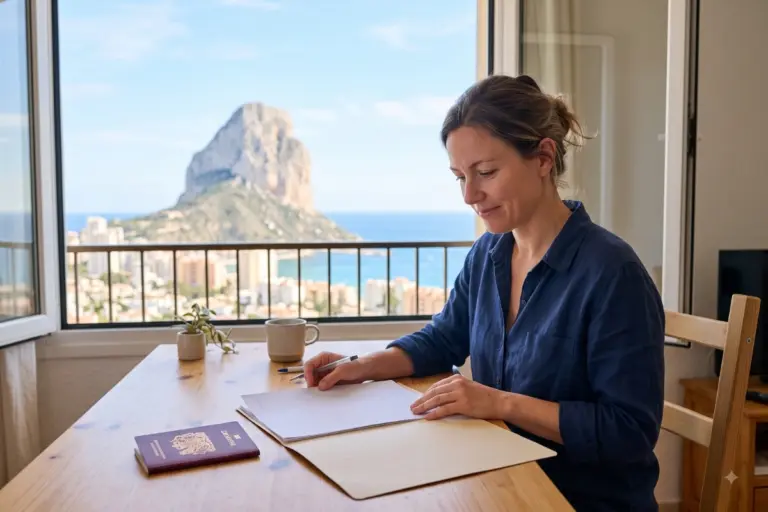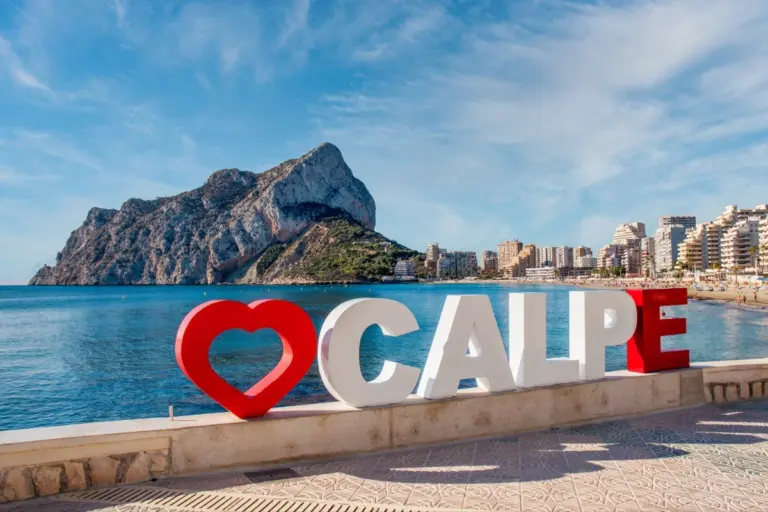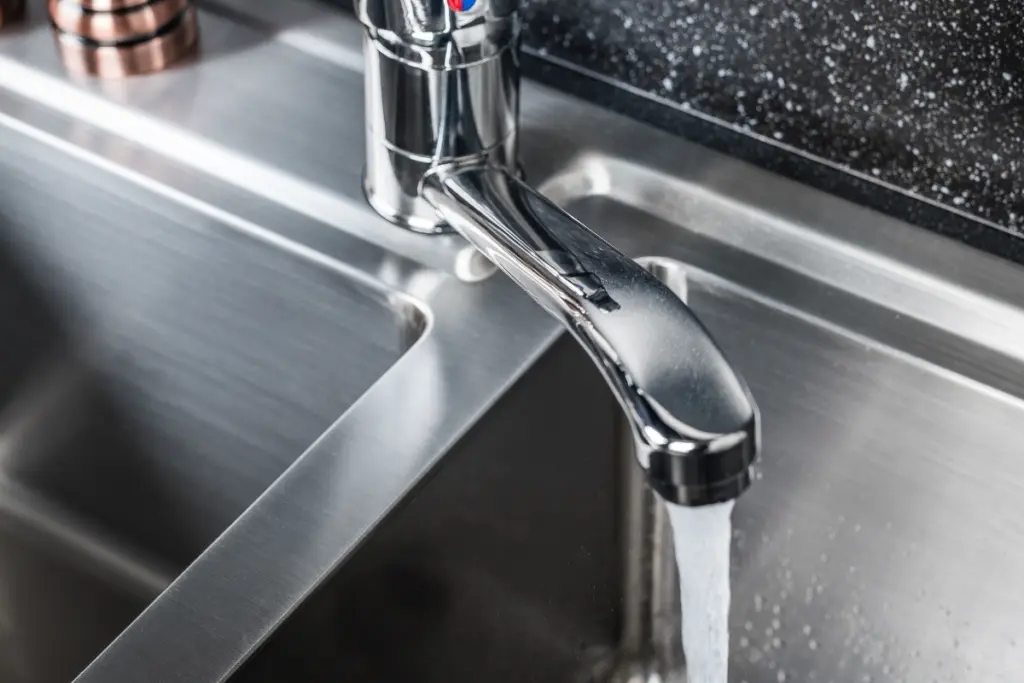
One of the first questions people ask after arriving at an apartment or villa in Calpe is: Can you drink tap water in Calpe? The question often comes after tasting a glass and noticing that it isn’t quite like the water at home.
The short answer is yes. Calpe’s public tap water is treated for human consumption. What divides people is the taste, the chlorine and the marks it can leave around taps and inside kettles.
The Water Reaching Your Tap Has Been Treated
Calpe draws its water from Pozo Lucífer and the Barranc del Salat, the second of which is naturally brackish and has a higher salt content before treatment.
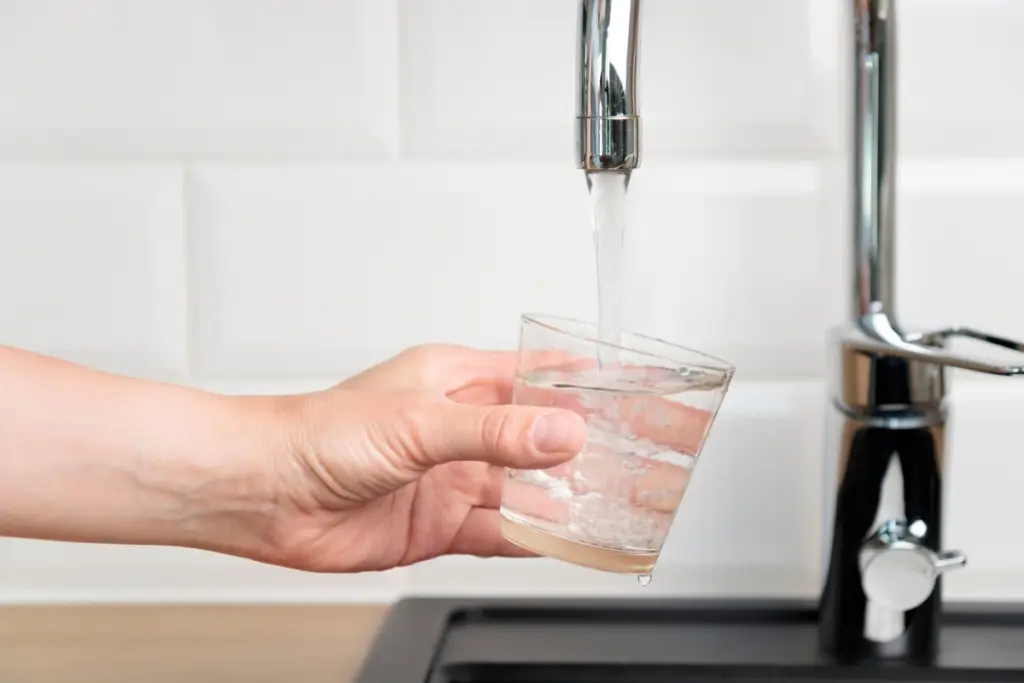
That doesn’t mean untreated salty groundwater is being sent directly into homes. The water passes through clarification, sand and activated carbon filtration, and final disinfection with chlorine before it reaches the network, and it’s regularly tested to confirm it meets Spain’s national drinking water standards. This is why it’s worth separating the safety of the public supply from whether you actually enjoy drinking it. They’re not the same question.
Why the Taste and Limescale Put Some People Off
Calpe’s tap water can have a noticeable chlorine and mineral taste. It’s often stronger when the water’s warm, which makes the first glass from a summer kitchen particularly unappealing.
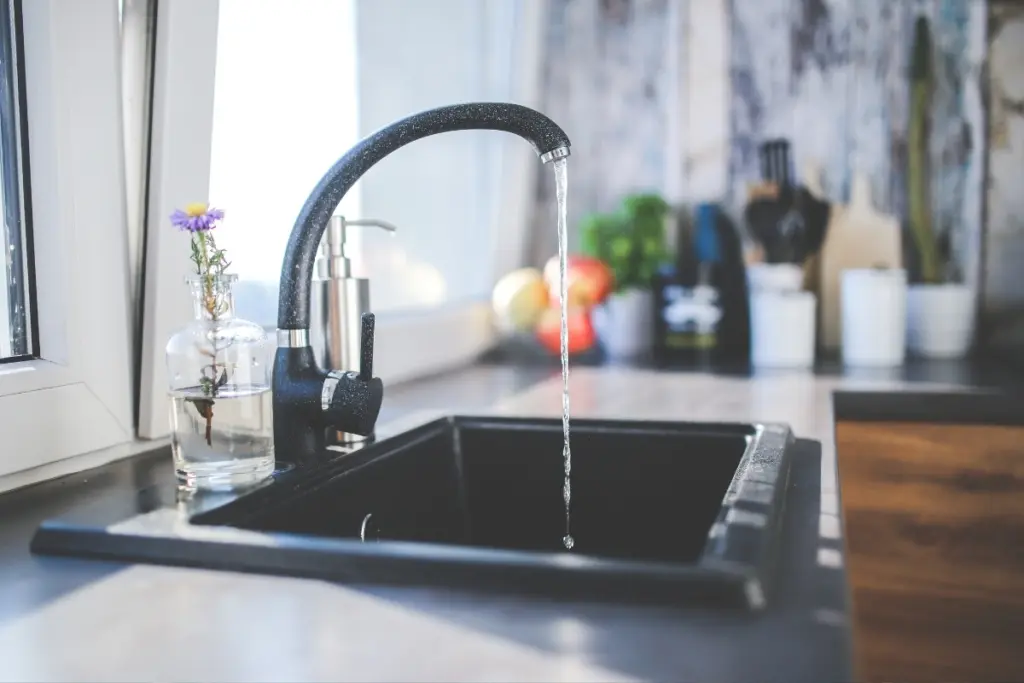
Although it’s technically safe to drink, many people find that drinking the tap water unsettles their stomach for the first few days. This doesn’t happen to everyone, and it doesn’t mean the water’s contaminated.
Any stomach pain, vomiting or diarrhoea that’s severe or continues shouldn’t automatically be dismissed as your body adjusting to the water.
You may also see white marks around taps, on shower screens or inside the kettle. These are mineral deposits left behind when the water evaporates.
Water hardness in this part of the Valencian Community generally falls in the moderate range under the classification used by Spain’s consumer body, the OCU, rather than the very soft or very hard extremes some other parts of the country see. Exact readings vary by street and by season, so treat any specific figure you come across as indicative rather than a fixed number for every property in town.
Limescale can be irritating. Kettles and coffee machines need descaling, while shower screens quickly show marks. Mine needs going over most weeks. It’s a household maintenance problem, but it doesn’t tell you that the water’s unfit to drink.
Tap, Filtered or Bottled: Weighing Up the Options
Tap water’s the cheapest option and saves you carrying large bottles home from the supermarket. Chilling it can make the chlorine taste less noticeable.
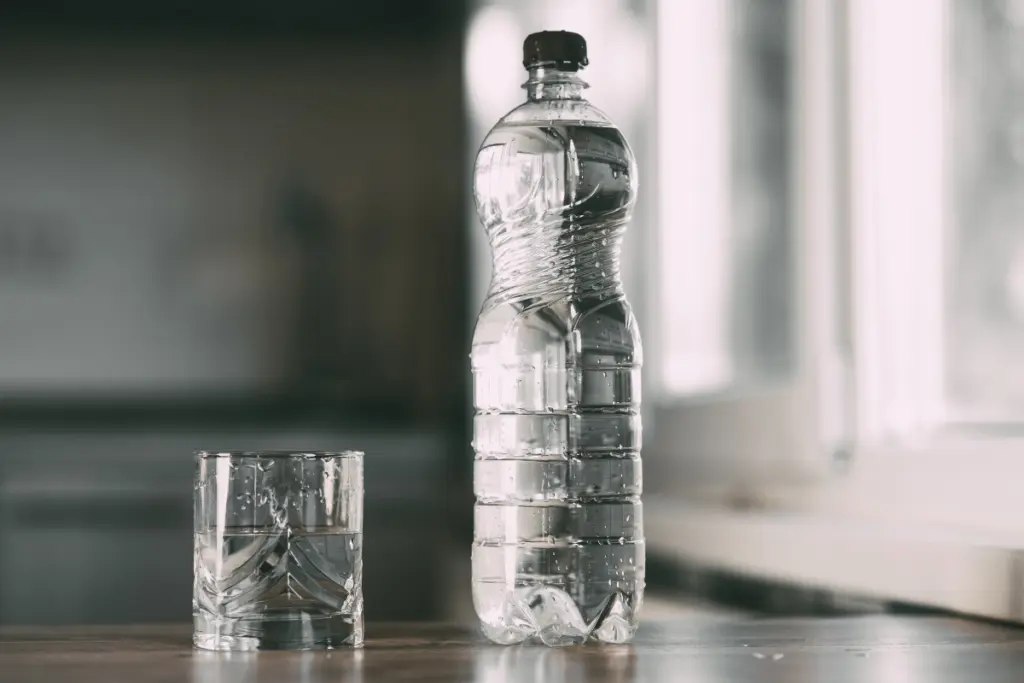
A filter jug or tap filter may help if you still dislike the flavour. The filter is mainly changing how the water tastes rather than making Calpe’s normal public supply safe. It’s already safe.
The cartridge needs replacing on schedule, and a filter jug should be kept clean and refrigerated. Leaving the same cartridge sitting in warm water for months defeats the purpose of using one.
Personally, I don’t drink the tap water, because I don’t like the taste. That said, I still use it for washing up and cooking, and I’ve no problem using it to boil pasta, prepare sauces, rinse vegetables or cook other everyday meals.
For drinking, I prefer bottled water. Other people are perfectly happy with the tap or use a filtered jug, so this comes down largely to taste and what’s most convenient for your household.
When You Should Check Before Using It
A temporary warning from Aguas de Calpe or the local authorities always takes priority over the usual advice. Follow the instructions given for the affected streets, including whether the water can be used for cooking or brushing your teeth.
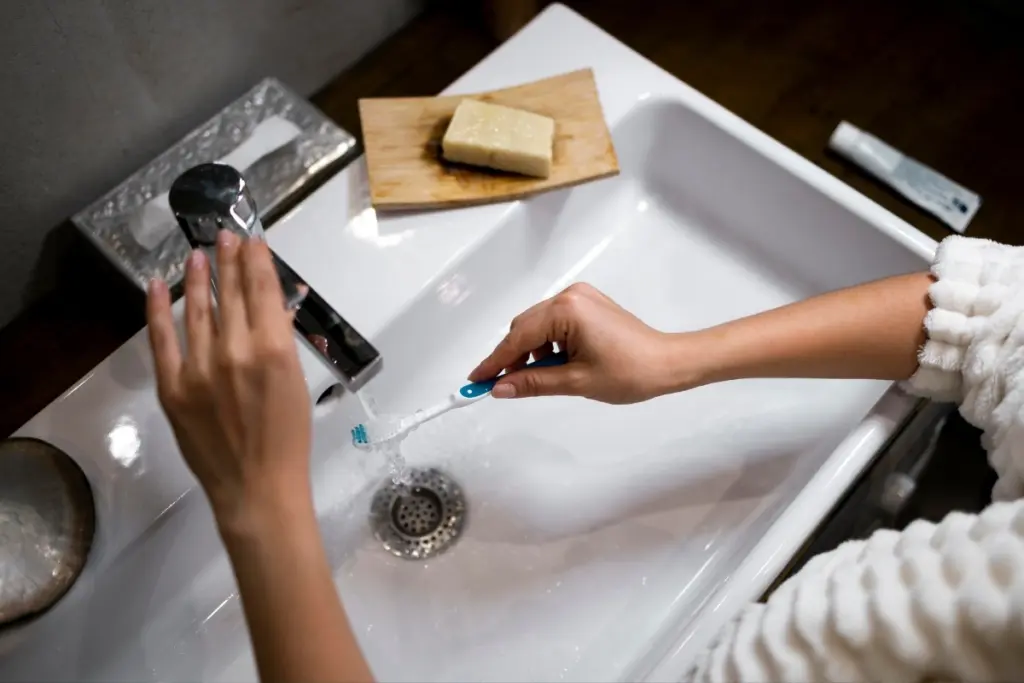
The plumbing inside a property can also affect what comes from the tap. If an apartment or villa has been empty, let the cold kitchen tap run until the water becomes properly cold before filling a glass or using it for food.
Water can sometimes look milky after work on the supply because of tiny air bubbles. If it clears from the bottom of the glass upwards, trapped air is normally the cause. Brown water, a strong unusual smell or discolouration that doesn’t clear needs checking.
Ask a neighbour whether they’ve noticed the same change. If several properties are affected, it may involve the building or the local network. If the problem only appears at one tap, it’s more likely to be inside the property itself. I’ve asked around a flat’s WhatsApp group before now just to rule that out.
Verdict: Calpe Tap Water Is Safe, but Taste Is Personal
You can drink tap water in Calpe under normal conditions. The public supply is treated and monitored as drinking water, although some newcomers may experience mild stomach discomfort while getting used to a different local supply.
That doesn’t mean you have to enjoy it. I personally choose bottled water for drinking because I dislike the taste, but I use the tap water normally for washing up and cooking.
Tap, filtered or bottled water is ultimately a personal choice. The normal advice only changes when an official warning is issued or something unusual happens to the water at your property.